Skip to content

Healthy Aging

Healthy aging means taking small steps each day to care for your body and mind. Staying active, eating well, and staying connected with others can help you feel strong and independent as you grow older. Getting enough sleep and managing stress can support good health, and learning new things can help you stay mentally sharp. Regular checkups with your doctor help you stay on track and catch problems early.

Learn more about healthy aging

Take the first step toward healthy aging

Move with confidence for a strong, independent life

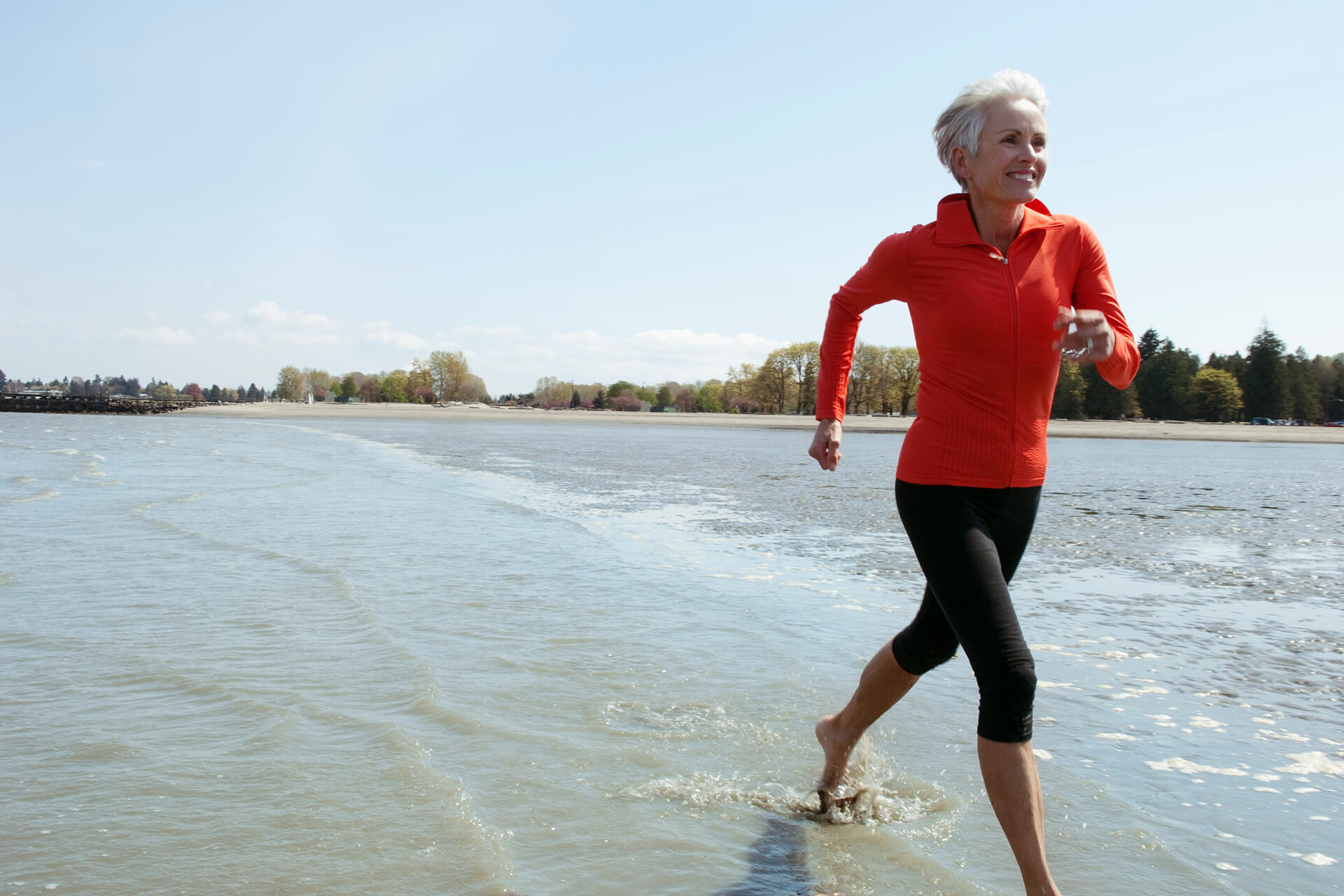
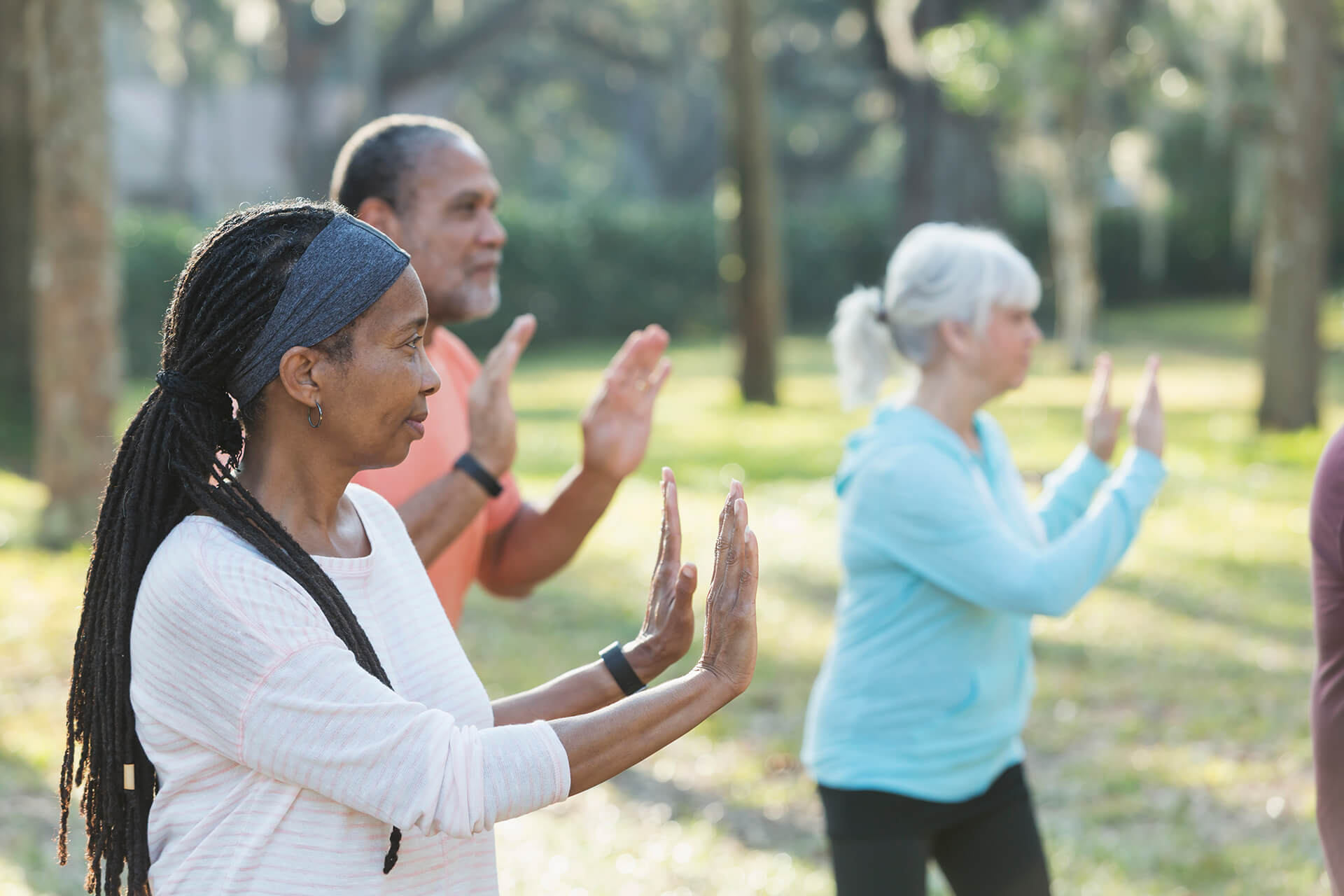
Staying active is one of the best ways to keep your body strong and stay independent as you age. Regular exercise helps your muscles stay firm, which makes it harder to lose your balance or fall. It also helps keep your heart healthy and your brain sharp.

When it’s unsafe to exercise outside, you can stay active indoors. Many people use malls, community centers, or their own homes to walk, stretch, or do light exercises. Short routines using a chair, gentle movement videos, or small weights can help keep your body strong.

For ideas to get started, check out our tips and resources, such as the Bold app, a platform that offers personalized low-impact exercises to improve balance and strength to help prevent falls and improve incontinence.

Wellness tools

What our members are saying about Bold

“It’s a really, really, really good program. I really, really like it. It’s doable. It’s flexible…. I’ve done it 3 times a week, so they gave me a Bold medal.” – Sue

“Bold sends you emails … so you can see right there what’s available, and they have a whole explanation of all the classes.” – Martha

Elderly woman in swimming pool

Sensory loss and healthy aging

Sensory changes are a normal part of getting older, but when they become more serious, they can affect your safety and daily life.

  • Problems with seeing or hearing can make it harder to stay independent, but eye exams and hearing aids often help a lot.
  • Losing some sense of smell or taste can make eating less enjoyable, so make sure you have good, nutritious meals.
  • Risk of falling is increased when you lose some sense of touch or feeling, so it’s important to do simple strength and balance exercises.

Simple steps to get moving

  • Walk daily. Take a short walk around the block or inside your home to keep your legs strong.
  • Practice balance. Hold onto a sturdy chair and practice standing on one foot for a few seconds.
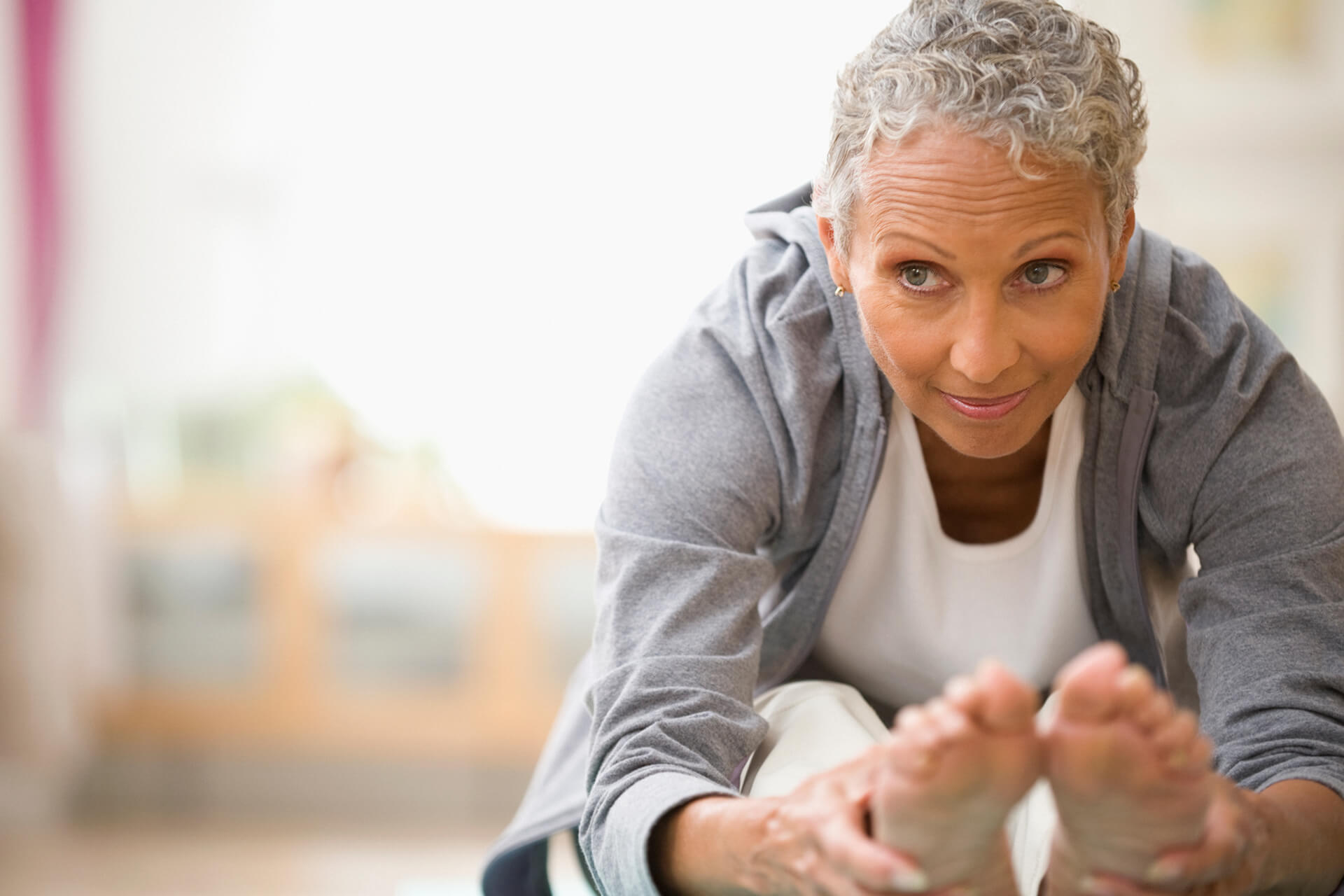
  • Stretch often. Reach for the sky or touch your toes to keep your joints moving smoothly.
  • Use light weights. Lift small water bottles or cans of food to help build arm strength.
  • Try the TUG (timed up and go) test. While someone times you, stand up from a chair, walk about 10 feet, turn around, walk back, and sit down. It’s a quick way to see how steady and mobile you are. If it takes you more than 20 seconds, you may be at higher risk for falls.

Wellness Tools

Connection for greater community

Staying connected with friends and neighbors is a great way to keep your spirits high. Joining local groups or chatting with others helps you stay active and feel like part of a team. It’s a wonderful way to share stories and make every day a bit brighter.

Wellness tools

Elderly Mom hiking with adult son

Building a strong community is a great way to feel more connected and happier every day.

  • Join a local hobby group. Connect with others who love the same things you do, like gardening, reading, or crafting.
  • Volunteer for a project. Help a local cause to meet new people while giving back to your neighborhood.
  • Try online classes. Sign up for a virtual workshop or video chat group to learn something new from home.
  • Join digital communities. Use websites or apps to play games and share stories with people who have similar interests.

The 5 M’s: A simple guide to your health

At every stage of life, you deserve care that works for you. Doctors use a framework called the 5 M’s to make sure you get the care you need to stay independent and healthy.

KP Member consulting with advisor

Here’s what the 5 M’s mean for you:

  1. What matters most
    Your health care should start with you. You and your doctor should talk about your personal goals, like playing with your grandkids or staying active in your garden, to make sure your care supports the life you want to live.
  1. Medication
    Taking too many medicines can sometimes cause side effects like dizziness or confusion. Your doctor will regularly review your pills to make sure you are only taking what you need to stay safe and healthy.
  1. Mentation (mind and mood)
    Your brain health is just as important as your physical health. Your care team will help you stay sharp and watch for signs of memory loss or depression, helping you get the support you need to keep your mind healthy.
  1. Mobility
    Moving safely is the key to independence. Your doctor will focus on your strength and balance to help you prevent falls and stay active enough to do the things you enjoy every day.
  1. Multicomplexity
    Managing more than one health condition can feel overwhelming. Your doctor will look at the “big picture” to see how your health issues, home life, and daily needs all connect to make sure your care plan is simple and organized.

Our workshops

Stay confident: Bladder control and you

Bladder incontinence is a common medical condition that affects many people, and it’s nothing to feel embarrassed or ashamed about. It’s a health issue like any other, and seeking support or treatment is a positive and empowering step. Check out this video to learn more about urinary incontinence, its causes, and what you can do to maintain bladder strength.

Wellness tools

Elderly woman talking in community garden

Types of urinary incontinence

Bladder control problems are common as you age. These are the main types:

  • Stress incontinence happens when you put pressure on the bladder. You might leak a little urine when you cough, sneeze, laugh, or lift something heavy.
  • Urge incontinence is a strong, sudden need to go right away. You may not have enough time to reach the bathroom. This is common for people with diabetes or Parkinson’s disease.
  • Overflow incontinence happens when the bladder doesn’t empty all the way and stays full. Small amounts of urine may leak out throughout the day. In men, this is often caused by prostate issues.
  • Functional incontinence occurs in many older people who have normal bladder control. Sometimes, your bladder works fine, but joint pain or moving slowly makes it hard to reach the bathroom in time.

Treatments for incontinence are based on your age, overall health, medical history, type of incontinence, and tolerance for certain medications, procedures, or therapies. Talking with a doctor can help you learn what’s right for you. With the right support, you can feel more confident and in control.

Some treatments may include:

  • Healthy habits: Drink less caffeine (coffee/soda) and alcohol. Staying at a healthy weight and avoiding constipation also helps.
  • Bathroom training: Try to go to the bathroom on a set schedule. This teaches your bladder to wait longer.
  • Medical inserts: Some people use a small tube (catheter) or a small ring (pessary) to help manage urine.
  • Nerve stimulation: This treatment uses very tiny, painless electric pulses to help bladder nerves work correctly.
  • Bulking gels: A doctor can use a small needle to put a thick gel near the bladder. This helps the opening stay closed so urine doesn’t leak out.
  • Creams: For women, a small amount of estrogen cream can help stop leaks.

Vibrant care for the heart and mind

Emotional and mental well-being are important parts of healthy aging. Staying connected with friends and family can help you feel supported and less alone. Doing activities you enjoy, like reading, walking, and hobbies, can lift your mood. It also helps to talk about your feelings with someone you trust. Taking care of your mind each day can help you stay positive and confident as you grow older.

Wellness tools

Mother and adult daughter singing karaoke at home

Specialty care

Meet with a mental health professional. Work with a clinician to create a care plan tailored to your individual needs. Call 1-833-KP-WITH-U, or 1-833-579-4848, (TTY 711) to make an appointment. No referral needed.

Get treated for substance use disorder. If you or someone you love is struggling with alcohol or drugs, we can help. Talk to your doctor or visit kp.org/addiction.

Emergency care

Get emergency care. If you’re having a medical or mental health emergency, call 911 or go to the nearest emergency department. For the complete definition of an emergency medical condition, please refer to your Evidence of Coverage or other coverage documents.

Get urgent mental health advice. Call 1-800-900-3277 (TTY 711) 24 hours a day, 7 days a week, to speak to our crisis team.

Feeling seen and connected

Loneliness is one of the most common emotional experiences reported by older adults. It isn’t the same as being alone. It’s the feeling of being disconnected, even when people are around. A 2025 review found that social isolation and loneliness are widespread among older adults, affecting mental and physical health, and increasing risk of depression, cognitive decline, and cardiovascular disease.

Understanding grief

Grief is a natural response to losing someone or something important. It can bring many feelings, like sadness, confusion, or even anger. Everyone experiences grief in their own way and at their own pace. Talking with others and sharing memories can help people feel supported as they heal.

Learn more about Coping with Grief on kp.org

Symptoms of depression and anxiety

  • Feeling sad or anxious often or all the time
  • Not wanting to do activities that you used to enjoy
  • Feeling irritable, easily frustrated, or restless
  • Having trouble falling asleep or staying asleep
  • Waking up too early or sleeping too much
  • Having trouble concentrating, remembering details, or making decisions
  • Feeling tired even after sleeping well
  • Feeling guilty, worthless, or helpless
  • Thinking about suicide or hurting yourself

Many people feel embarrassed or ashamed about having depression. Don’t let these feelings stand in the way of getting care. It takes courage to seek help. Using resources like community groups, online workshops, or wellness programs can make you feel more connected.

For more tips on managing anxiety or depression symptoms, check out this e-visit, or explore the resources below to take a simple step toward feeling supported.

Available online classes

As you grow older, life shifts in meaningful ways. Roles change, relationships evolve, limitations affect the body, and daily routines transform. These transitions can feel disorienting, but they also open space for new forms of well-being.

Caring for your mental health isn’t about “staying the same.” It’s about finding grounded, nourishing ways to support yourself through change. Current research paints a clear picture: connection, purpose, and presence are protective forces for emotional well-being.

If you’d like to learn more, please join one of our virtual classes below.

Embracing Well-Being in Later Life

Loneliness, disconnection, and lack of purpose can make the latter stages of life extremely painful. This online class focuses on reframing common experiences and reconnecting with curiosity and joy as we navigate the mental, physical, and emotional changes associated with aging. No matter the stage, life remains something we actively create and celebrate.

Healing After Loss

 “Is what I’m going through normal?” This class helps you understand and normalize your experiences of grief. Grief follows its own path, and the more we resist it, the more we struggle. We’ll spend time in class dispelling common myths about grief and exploring the ways we live with grief rather than trying to get rid of it.

Register now

Wellness Tools

Back To Top
No results found...